Buy insolvent.eu ?
We are moving the project
insolvent.eu .
Are you interested in purchasing the domain
insolvent.eu ?
domain@kv-gmbh.de · 0541-91531010
Buy insolvent.eu ?
What is debt restructuring?
Debt restructuring is a process where a company or individual renegotiates the terms of their existing debt in order to make it more manageable. This can involve extending the repayment period, reducing the interest rate, or even forgiving a portion of the debt. Debt restructuring is often pursued when a borrower is struggling to meet their current debt obligations and needs a more feasible repayment plan. It can help prevent default and bankruptcy by providing a way for the borrower to regain financial stability. **
What is a debt restructuring?
Debt restructuring is a process where a borrower and lender come to an agreement to modify the terms of an existing debt agreement. This can involve extending the repayment period, reducing the interest rate, or forgiving a portion of the debt. Debt restructuring is often pursued when a borrower is struggling to meet their current debt obligations and needs a more manageable repayment plan. It can help both parties avoid default and bankruptcy. **
Similar search terms for Poor form
Top-Angebote
Products related to Poor form:
-
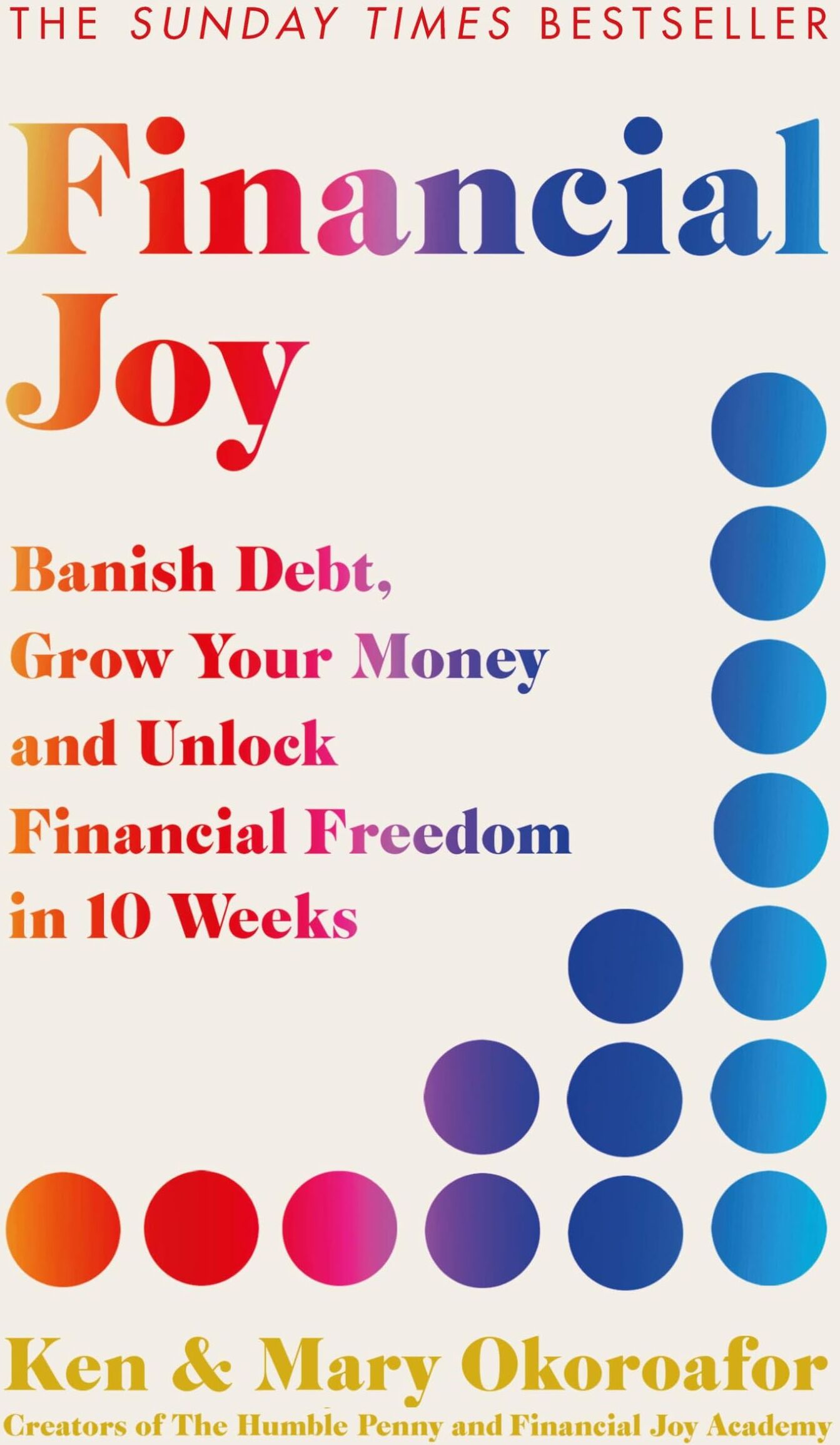
Quercus Financial Joy: Banish Debt, Grow Your Money and Unlock Financial Freedom - Ken & Mary Okoroafor - Paperback - Sunday Times Bestseller Money GuideFinancial Joy is a practical guide to managing your finances, written by Ken and Mary Okoroafor. This Sunday Times bestselling book offers a structured ten-week programme to help you reset your relationship with money. Rather than focusing on restriction, the authors champion 'financial joy' - the idea that budgeting, saving, and investing can coexist with the small pleasures that make life worth living. The book draws on the authors' own story of building financial independence through discipline, smart saving, and considered investing, providing a genuine and relatable approach to personal finance.5,99 £*Shipping: 2,99 £Secure redirect to the provider
-
HH Rich Dad Poor Dad, Atomic Habits, The Psychology of Money 3 Books Collection SetRich Dad Poor Dad, Atomic Habits, The Psychology of Money 3 Books Collection Set by Robert T. Kiyosaki, James Clear, Morgan Housel Titles in This Set: Rich Dad Poor Dad : What the Rich Teach Their Kids About Money That the Poor and Middle Class Do Not! Rich Dad Poor Dad consistently ranks among bestsellers around the world in the categories of Personal Finance, Parenting, and Investing, has been translated into 38 languages, and has sold more than 40 million copies worldwide. Rich Dad Poor Dad is Robert's story of growing up with two dads -his real father and the father of his best friend, his rich dad - and the waysin which both men shaped his thoughts about money and investing. The bookexplodes the myth that you need to earn a high income to be rich and explainsthe difference between working for money and having your money work for you. Atomic Habits : the life-changing million-copy #1 bestseller THE PHENOMENAL INTERNATIONAL BESTSELLER: OVER 1O MILLION COPIES SOLD WORLDWIDETransform your life with tiny changes in behaviour, starting now. People think that when you want to change your life, you need to think big. But world-renowned habits expert James Clear has discovered another way. He knows that real change comes from the compound effect of hundreds of small decisions: doing two push-ups a day, waking up five minutes early, or holding a single short phone call. He calls them atomic habits. In this ground-breaking book, Clears reveals exactly how these minuscule changes can grow into such life-altering outcomes. The Psychology of Money : Timeless lessons on wealth, greed, and happiness Doing well with money isn't necessarily about what you know. It's about how you behave. And behavior is hard to teach, even to really smart people. Money-investing, personal finance, and business decisions-is typically taught as a math-based field, where data and formulas tell us exactly what to do. But in the real world people don't make financial decisions on a spreadsheet. They make them at the dinner table, or in a meeting room, where personal history, your own unique view of the world, ego, pride, marketing, and odd incentives are scrambled together. In The Psychology of Money, award-winning author Morgan Housel shares 19 short stories exploring the strange ways people think about money and teaches you how to make better sense of one of life's most important topics.24,99 £*Shipping: 2,99 £Secure redirect to the provider
-
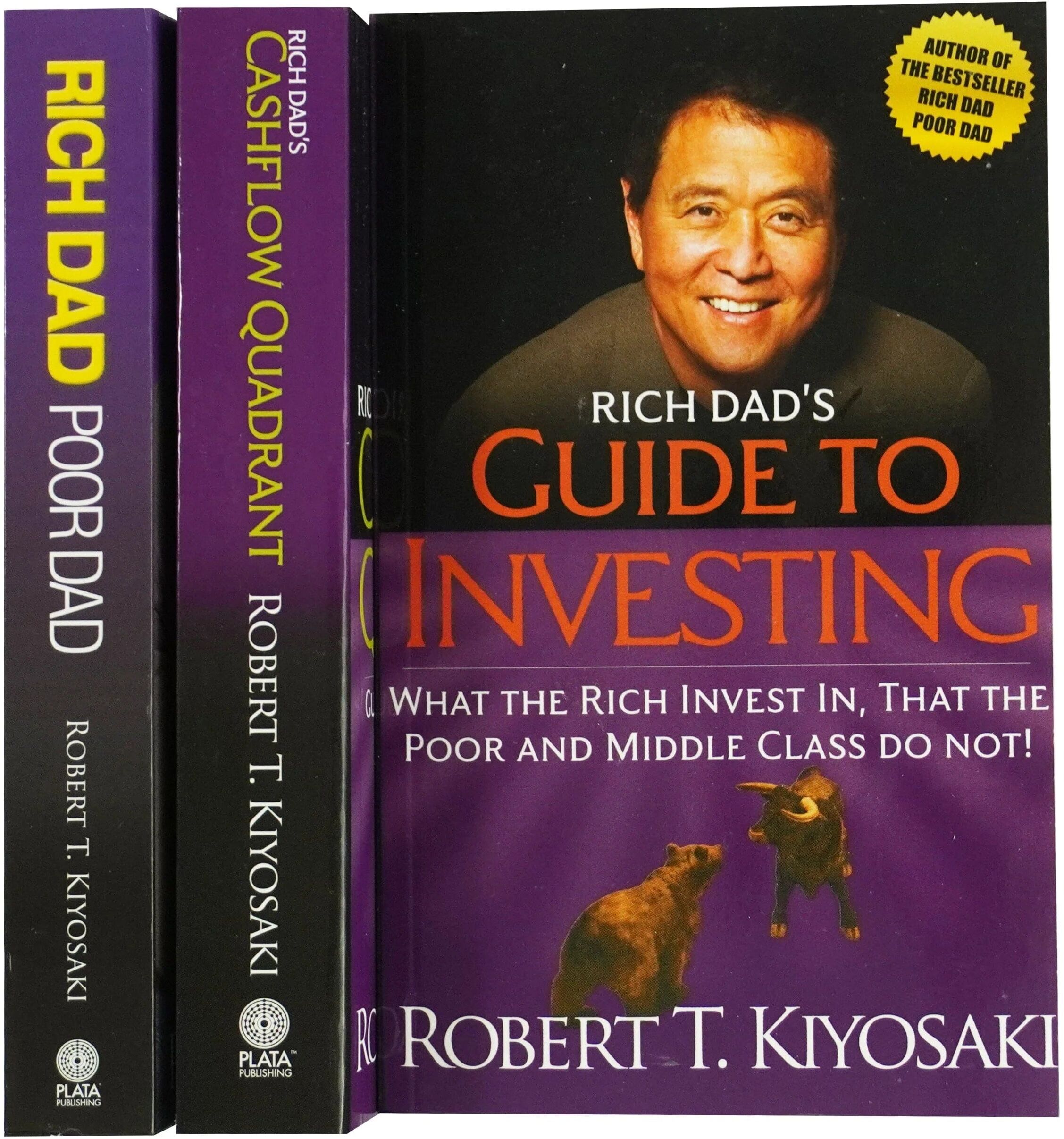
Rich Dad Poor Dad Robert T. Kiyosaki 3 Books Collection Set - Non Fiction - Paperback Plata PublishingTitle in This Set: Rich Dad's Cashflow Quadrant Rich Dad's Guide to Investing Rich Dad Poor Dad Description Robert T. Kiyosaki is one of the most influential voices in personal finance, known for challenging traditional ideas about money, work and wealth. This three-book collection brings together his most impactful titles — Rich Dad Poor Dad, Rich Dad’s Guide to Investing and Rich Dad’s Cashflow Quadrant — offering a practical and accessible roadmap to financial independence. First published in 1997, Rich Dad Poor Dad has become a global phenomenon, helping millions rethink how they view money. Through the contrast between his “poor dad” and his “rich dad,” Kiyosaki introduces the fundamentals of financial literacy, explains the difference between assets and liabilities, and encourages readers to build income streams that work for them — not the other way around. Rich Dad’s Guide to Investing takes these ideas further, offering deeper insight into real-world investing. Focusing on real estate, stocks and business ownership, the book explains how experienced investors assess opportunities, manage risk and build long-term wealth through informed decision-making. In Rich Dad’s Cashflow Quadrant, Kiyosaki explores the four main ways people earn income — employee, self-employed, business owner and investor. By breaking down the mindset and skills needed for each quadrant, he shows readers how to move toward the right-hand side of the quadrant, where financial freedom and passive income are built. Together, these books form a powerful foundation for anyone looking to take control of their finances, improve their money mindset and create a more secure financial future. Whether you’re new to personal finance or ready to deepen your investing knowledge, this Robert T. Kiyosaki collection is an essential addition to your bookshelf — available at great value from Books2Door.12,99 £*Shipping: 2,99 £Secure redirect to the provider
-
Plata Publishing Robert T. Kiyosaki Classics 3 Books Collection Box Set (Rich Dad Poor Dad, Cashflow Quadrant, Guide to Investing)Rich Dads Guide To Investing Investing means different things to different people… and there is a huge difference between passive investing and becoming an active, engaged investor. Rich Dad’s Guide to Investing, one of the three core titles in the Rich Dad Series, covers the basic rules of investing, how to reduce your investment risk, how to convert your earned income into passive income… plus Rich Dad’s 10 Investor Controls. Rich Dads Cashflow Quadrant Tired of living paycheck to paycheck? Learn why some people work less but earn more. Pay less in taxes, and learn to make their money work for them. It's simply knowing which quadrant to work from ― and when. The wealthy know that the keys to wealth and financial freedom are found on the right side of the quadrant, through business and investing. Rich Dad Poor Dad Rich Dad Poor Dad is Robert's story of growing up with two dads — his real father and the father of his best friend, his rich dad — and the ways in which both men shaped his thoughts about money and investing. The book explodes the myth that you need to earn a high income to be rich and explains the difference between working for money and having your money work for you. In many ways, the messages of Rich Dad Poor Dad, messages that were challenged and criticized 25 ago, are more meaningful, relevant, and important today than ever.11,89 £*Shipping: 2,99 £Secure redirect to the provider


-
How sensible is debt restructuring?
Debt restructuring can be a sensible option in certain situations, such as when a company is facing financial difficulties and needs to renegotiate its debt terms to avoid bankruptcy. It can provide the company with more manageable repayment terms, lower interest rates, and potentially save it from insolvency. However, debt restructuring is not a one-size-fits-all solution and may not always be the best option for every situation. It can have implications for the company's credit rating, relationships with creditors, and overall financial health. It is important for companies to carefully consider the potential consequences of debt restructuring and seek professional advice before making any decisions. Overall, debt restructuring can be a sensible strategy when done thoughtfully and strategically, but it is important for companies to weigh the pros and cons and consider all alternatives before moving forward. **
-
Who is reputable in financial restructuring?
Reputable financial restructuring firms include Houlihan Lokey, Alvarez & Marsal, and FTI Consulting. These firms are known for their expertise in advising companies facing financial distress, restructuring debt, and implementing turnaround strategies. They have a strong track record of successfully navigating complex financial situations and helping clients emerge stronger and more sustainable. Their reputation is built on their deep industry knowledge, experienced professionals, and proven results in the field of financial restructuring. **
-
Do you have a poor facial memory or a mild form of prosopagnosia?
As an AI language model, I do not have personal experiences or a physical form, so I do not have a facial memory or prosopagnosia. My responses are generated based on the input I receive and the vast amount of information available to me. If you are experiencing difficulties with facial recognition, I recommend consulting with a medical professional for an accurate assessment and appropriate support. **
-
Why do people in poor countries have children despite their poor financial situation, while people in the West do not have children due to their poor financial situation?
People in poor countries often have children despite their financial situation because children are seen as a form of social security and support in old age. In many developing countries, children are expected to take care of their parents in their old age and provide support for the family. On the other hand, in the West, the cost of raising children is very high, and there are social safety nets in place for the elderly, such as pensions and healthcare, which reduce the need for children to provide financial support. Additionally, in the West, there is a greater emphasis on individualism and personal fulfillment, which can lead people to delay or forgo having children if they feel they cannot provide for them financially. **

Where can I get a reputable financial restructuring?
You can get reputable financial restructuring services from established financial advisory firms, investment banks, or specialized restructuring firms. It's important to research and choose a firm with a proven track record of successfully guiding companies through financial challenges. Look for firms with experienced professionals who have expertise in financial restructuring, debt restructuring, and turnaround management. Additionally, consider seeking recommendations from trusted advisors or industry peers to find a reputable firm that can meet your specific needs. **
Is poor hearing worse than poor vision?
Both poor hearing and poor vision can have significant impacts on a person's quality of life. However, poor hearing can be particularly isolating as it can make communication with others more challenging. Additionally, poor hearing can also impact a person's ability to fully participate in social activities and can lead to feelings of loneliness and frustration. On the other hand, poor vision can also have serious consequences, such as limiting a person's independence and ability to perform daily tasks. Ultimately, both poor hearing and poor vision can have negative effects on a person's overall well-being, and the impact may vary depending on the individual and their specific circumstances. **
Top-Angebote
Products related to Poor form:
-
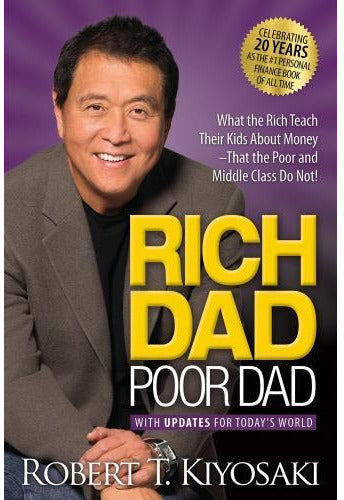
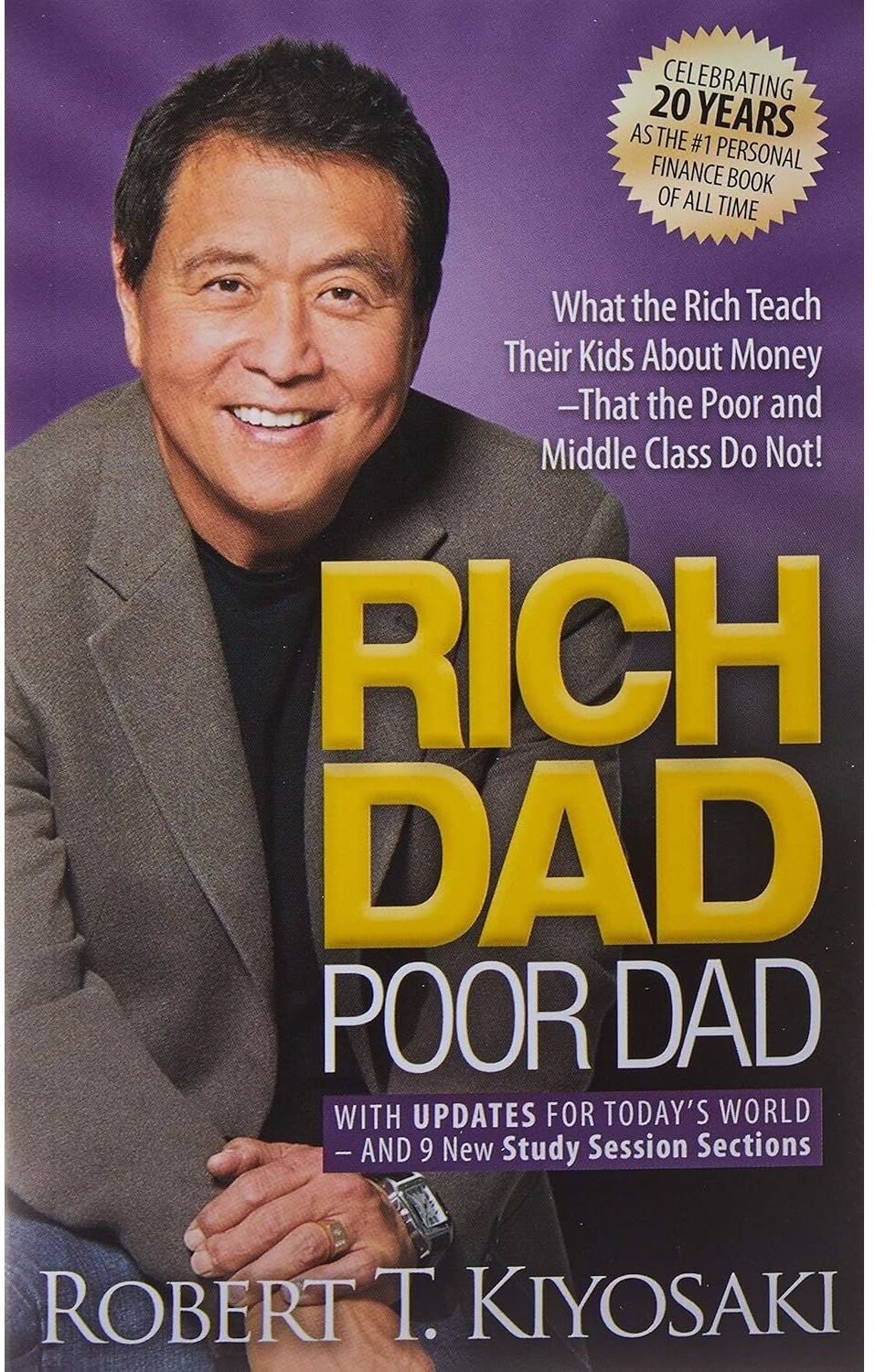
Plata Publishing Rich Dad Poor Dad What The Rich Teach Their Kids About Money That The Poor And Middle Class Do NotApril of 2022 marks a 25-year milestone for the personal finance classic Rich Dad Poor Dad that still ranks as the #1 Personal Finance book of all time. And although 25 years have passed since Rich Dad Poor Dad was first published, readers will find that very little in the book itself has changed — and for good reason. While so much in our world is changing a high speed, the lessons about money and the principles of Rich Dad Poor Dad haven’t changed. Today, as money continues to play a key role in our daily lives, the messages in Robert Kiyosaki’s international bestseller are more timely and more important than ever. Milestones While there is a milestone to commemorate — and a new section in the book on Why Milestones Are Important — preserving the integrity of the original content is testimony to the fact that this book has truly stood the test of time. The sidebars throughout the book (that were updated for the 20-year anniversary edition) have been updated again, but the core principles that parents and grandparents — those who embraced Robert’s story and messages 25 years ago — are sharing them with new generations who have found that its timeless wisdom and no-nonsense lessons can be applied to anyone’s life and their vision for a future that includes taking control of their finances. People of all cultures and countries celebrate milestones. We use them to measure time, mark progress, reflect on the lessons we’ve learned, and celebrate accomplishments… and they give meaning to our life’s journey. They are a way that we integrate past, present, and future… looking back at where we started, where we are today… and the promise of all that the future can hold. In the quarter century that has passed since Rich Dad Poor Dad was first published — 25 years since April 8, 1997 — so many things in our world have changed. But the one thing that has not changed is the pressing need for and the power of financial education. Money is still a mainstay of our lives, like it or not, and technology has brought both speed and innovations to the world of money. In an ever-changing world, we can all still get smarter when it comes to money… and learn as much as we can to secure our future. Still the One… #1 Today Rich Dad Poor Dad consistently ranks among bestsellers around the world in the categories of Personal Finance, Parenting, and Investing, has been translated into 38 languages, and has sold more than 40 million copies worldwide. Rich Dad Poor Dad is Robert's story of growing up with two dads — his real father and the father of his best friend, his rich dad — and the ways in which both men shaped his thoughts about money and investing. The book explodes the myth that you need to earn a high income to be rich and explains the difference between working for money and having your money work for you. In many ways, the messages of Rich Dad Poor Dad, messages that were challenged and criticized 25 ago, are more meaningful, relevant, and important today than...5,99 £*Shipping: 2,99 £Secure redirect to the provider
-
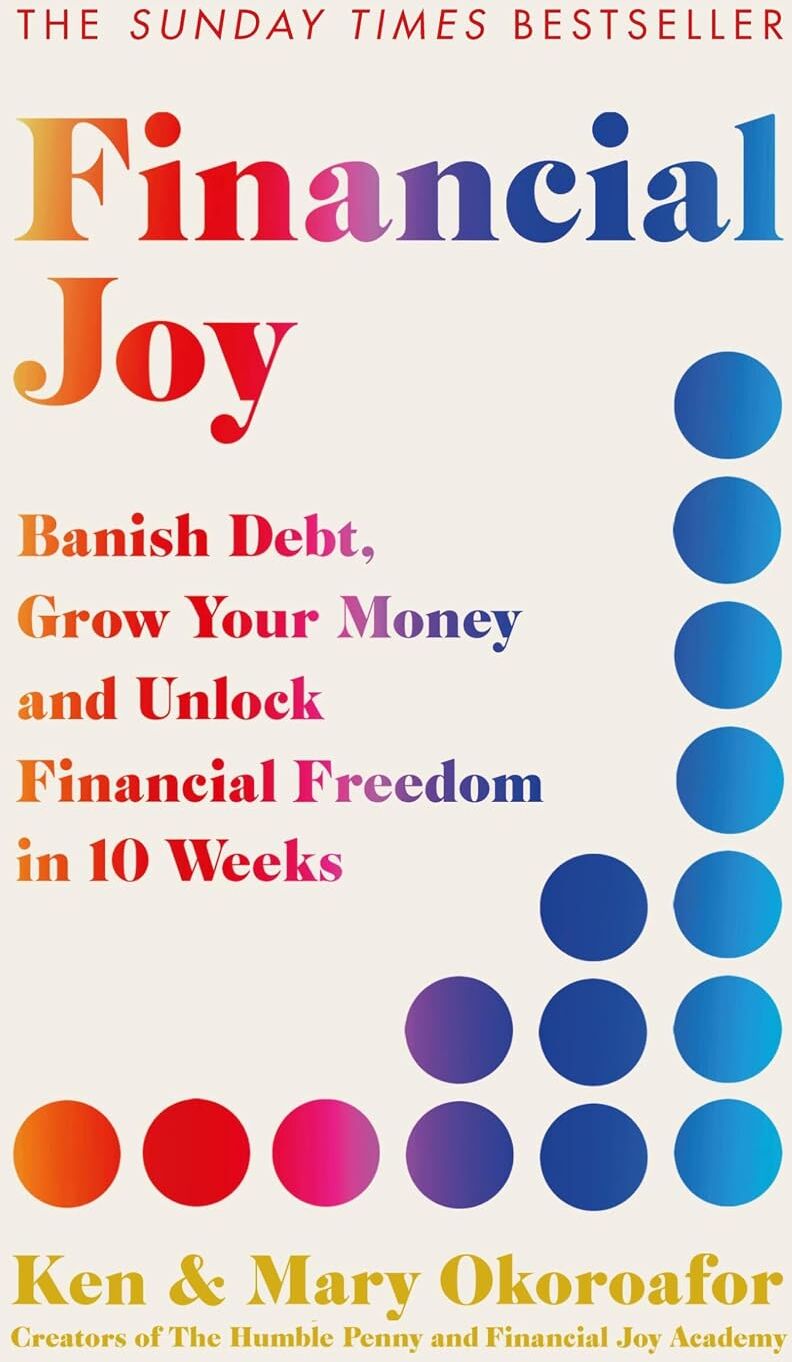
Quercus Financial Joy: Set your financial goals for 2026 - Banish Debt, Grow Your Money and Unlock Financial Freedom by Ken and Mary OkoroaforAs seen on ITV's This Morning! A life-changing 10-week plan to help you to turn your life around and design a path to financial freedom, enriched with the small experiences that bring you joy. Stop worrying about money. Start enjoying your life. You might be struggling in debt, living paycheque to paycheque, or worried about preparing for retirement; maybe you're considering your first investment, or you just want an escape plan from the '9 to 5'. Wherever you are on your journey, this book will revolutionize your lifestyle and your relationship with money. Authors Ken and Mary Okoroafor started out as resource-poor, working-class immigrants and have built a life of financial independence and joyful moments through hard work, smart saving and savvy investing. They know what it feels like to start from ground zero, and as a chartered accountant and former CFO, Ken shares his financial expertise to help you unlock the secret to building wealth. You'll learn how to take control of your finances, develop good money habits, become debt-free, invest in assets and multiply your income so you can create the freedom to travel, spend time with your loved ones and plan for a stress-free (early) retirement - all whilst prioritising your wellbeing and having fun! It also includes a dozen real-life interviews with singles, couples and those with children, from different backgrounds, age groups and stages of their money journey, including a few well-known public figures. Financial joy can be achieved by anyone - and it can start today, not tomorrow.5,99 £*Shipping: 2,99 £Secure redirect to the provider
-
Quercus Financial Joy: Banish Debt, Grow Your Money and Unlock Financial Freedom - Ken & Mary Okoroafor - Paperback - Sunday Times Bestseller Money GuideFinancial Joy is a practical guide to managing your finances, written by Ken and Mary Okoroafor. This Sunday Times bestselling book offers a structured ten-week programme to help you reset your relationship with money. Rather than focusing on restriction, the authors champion 'financial joy' - the idea that budgeting, saving, and investing can coexist with the small pleasures that make life worth living. The book draws on the authors' own story of building financial independence through discipline, smart saving, and considered investing, providing a genuine and relatable approach to personal finance.5,99 £*Shipping: 2,99 £Secure redirect to the provider
-
HH Rich Dad Poor Dad, Atomic Habits, The Psychology of Money 3 Books Collection SetRich Dad Poor Dad, Atomic Habits, The Psychology of Money 3 Books Collection Set by Robert T. Kiyosaki, James Clear, Morgan Housel Titles in This Set: Rich Dad Poor Dad : What the Rich Teach Their Kids About Money That the Poor and Middle Class Do Not! Rich Dad Poor Dad consistently ranks among bestsellers around the world in the categories of Personal Finance, Parenting, and Investing, has been translated into 38 languages, and has sold more than 40 million copies worldwide. Rich Dad Poor Dad is Robert's story of growing up with two dads -his real father and the father of his best friend, his rich dad - and the waysin which both men shaped his thoughts about money and investing. The bookexplodes the myth that you need to earn a high income to be rich and explainsthe difference between working for money and having your money work for you. Atomic Habits : the life-changing million-copy #1 bestseller THE PHENOMENAL INTERNATIONAL BESTSELLER: OVER 1O MILLION COPIES SOLD WORLDWIDETransform your life with tiny changes in behaviour, starting now. People think that when you want to change your life, you need to think big. But world-renowned habits expert James Clear has discovered another way. He knows that real change comes from the compound effect of hundreds of small decisions: doing two push-ups a day, waking up five minutes early, or holding a single short phone call. He calls them atomic habits. In this ground-breaking book, Clears reveals exactly how these minuscule changes can grow into such life-altering outcomes. The Psychology of Money : Timeless lessons on wealth, greed, and happiness Doing well with money isn't necessarily about what you know. It's about how you behave. And behavior is hard to teach, even to really smart people. Money-investing, personal finance, and business decisions-is typically taught as a math-based field, where data and formulas tell us exactly what to do. But in the real world people don't make financial decisions on a spreadsheet. They make them at the dinner table, or in a meeting room, where personal history, your own unique view of the world, ego, pride, marketing, and odd incentives are scrambled together. In The Psychology of Money, award-winning author Morgan Housel shares 19 short stories exploring the strange ways people think about money and teaches you how to make better sense of one of life's most important topics.24,99 £*Shipping: 2,99 £Secure redirect to the provider
-
What is debt restructuring?
Debt restructuring is a process where a company or individual renegotiates the terms of their existing debt in order to make it more manageable. This can involve extending the repayment period, reducing the interest rate, or even forgiving a portion of the debt. Debt restructuring is often pursued when a borrower is struggling to meet their current debt obligations and needs a more feasible repayment plan. It can help prevent default and bankruptcy by providing a way for the borrower to regain financial stability. **
-
What is a debt restructuring?
Debt restructuring is a process where a borrower and lender come to an agreement to modify the terms of an existing debt agreement. This can involve extending the repayment period, reducing the interest rate, or forgiving a portion of the debt. Debt restructuring is often pursued when a borrower is struggling to meet their current debt obligations and needs a more manageable repayment plan. It can help both parties avoid default and bankruptcy. **
-
How sensible is debt restructuring?
Debt restructuring can be a sensible option in certain situations, such as when a company is facing financial difficulties and needs to renegotiate its debt terms to avoid bankruptcy. It can provide the company with more manageable repayment terms, lower interest rates, and potentially save it from insolvency. However, debt restructuring is not a one-size-fits-all solution and may not always be the best option for every situation. It can have implications for the company's credit rating, relationships with creditors, and overall financial health. It is important for companies to carefully consider the potential consequences of debt restructuring and seek professional advice before making any decisions. Overall, debt restructuring can be a sensible strategy when done thoughtfully and strategically, but it is important for companies to weigh the pros and cons and consider all alternatives before moving forward. **
-
Who is reputable in financial restructuring?
Reputable financial restructuring firms include Houlihan Lokey, Alvarez & Marsal, and FTI Consulting. These firms are known for their expertise in advising companies facing financial distress, restructuring debt, and implementing turnaround strategies. They have a strong track record of successfully navigating complex financial situations and helping clients emerge stronger and more sustainable. Their reputation is built on their deep industry knowledge, experienced professionals, and proven results in the field of financial restructuring. **
Similar search terms for Poor form
-
Rich Dad Poor Dad Robert T. Kiyosaki 3 Books Collection Set - Non Fiction - Paperback Plata PublishingTitle in This Set: Rich Dad's Cashflow Quadrant Rich Dad's Guide to Investing Rich Dad Poor Dad Description Robert T. Kiyosaki is one of the most influential voices in personal finance, known for challenging traditional ideas about money, work and wealth. This three-book collection brings together his most impactful titles — Rich Dad Poor Dad, Rich Dad’s Guide to Investing and Rich Dad’s Cashflow Quadrant — offering a practical and accessible roadmap to financial independence. First published in 1997, Rich Dad Poor Dad has become a global phenomenon, helping millions rethink how they view money. Through the contrast between his “poor dad” and his “rich dad,” Kiyosaki introduces the fundamentals of financial literacy, explains the difference between assets and liabilities, and encourages readers to build income streams that work for them — not the other way around. Rich Dad’s Guide to Investing takes these ideas further, offering deeper insight into real-world investing. Focusing on real estate, stocks and business ownership, the book explains how experienced investors assess opportunities, manage risk and build long-term wealth through informed decision-making. In Rich Dad’s Cashflow Quadrant, Kiyosaki explores the four main ways people earn income — employee, self-employed, business owner and investor. By breaking down the mindset and skills needed for each quadrant, he shows readers how to move toward the right-hand side of the quadrant, where financial freedom and passive income are built. Together, these books form a powerful foundation for anyone looking to take control of their finances, improve their money mindset and create a more secure financial future. Whether you’re new to personal finance or ready to deepen your investing knowledge, this Robert T. Kiyosaki collection is an essential addition to your bookshelf — available at great value from Books2Door.12,99 £*Shipping: 2,99 £Secure redirect to the provider
-
Plata Publishing Robert T. Kiyosaki Classics 3 Books Collection Box Set (Rich Dad Poor Dad, Cashflow Quadrant, Guide to Investing)Rich Dads Guide To Investing Investing means different things to different people… and there is a huge difference between passive investing and becoming an active, engaged investor. Rich Dad’s Guide to Investing, one of the three core titles in the Rich Dad Series, covers the basic rules of investing, how to reduce your investment risk, how to convert your earned income into passive income… plus Rich Dad’s 10 Investor Controls. Rich Dads Cashflow Quadrant Tired of living paycheck to paycheck? Learn why some people work less but earn more. Pay less in taxes, and learn to make their money work for them. It's simply knowing which quadrant to work from ― and when. The wealthy know that the keys to wealth and financial freedom are found on the right side of the quadrant, through business and investing. Rich Dad Poor Dad Rich Dad Poor Dad is Robert's story of growing up with two dads — his real father and the father of his best friend, his rich dad — and the ways in which both men shaped his thoughts about money and investing. The book explodes the myth that you need to earn a high income to be rich and explains the difference between working for money and having your money work for you. In many ways, the messages of Rich Dad Poor Dad, messages that were challenged and criticized 25 ago, are more meaningful, relevant, and important today than ever.11,89 £*Shipping: 2,99 £Secure redirect to the provider
-
Plata Publishing/Wilco/RANDOM HOUSE Think and Grow Rich, Rich Dad Poor Dad and Atomic Habits 3 Books Collection SetThink and Grow Rich, Rich Dad Poor Dad and Atomic Habits 3 Books Collection Set By: James Clear, Napoleon Hill and Robert T. Kiyosaki Title In This Set: Atomic Habits: The life-changing by James Clear million copy bestseller Transform your life with tiny changes in behaviour, starting now. People think that when you want to change your life, you need to think big. But world-renowned habits expert James Clear has discovered another way. Rich Dad Poor Dad: What the Rich Teach Their Kids About Money That the Poor and Middle Class Do Not! Rich Dad Poor Dad is Robert's story of growing up with two dads — his real father and the father of his best friend, his rich dad — and the ways in which both men shaped his thoughts about money and investing. The book explodes the myth that you need to earn a high income to be rich and explains the difference between working for money and having your money work for you. Think And Grow Rich Napoleon Hill, America's most beloved motivational author, devoted 25 years to finding out how the wealthy became that way. After interviewing over 500 of the most affluent men and women of his time, he uncovered the secret to great wealth based on the notion that if we can learn to think like the rich, we can start to behave like them. By understanding and applying the thirteen simple steps that constitute Hill's formula, you can achieve your goals, change your life and join the ranks of the rich and successful. In this updated edition, Dr. Arthur R. Pell provides examples of men and women who, in recent times, exemplify the principles that Hill promulgated. With the success stories of top achievers such as Bill Gates and Steven Spielberg, he proves that Hill's philosophies are as valid today as they ever were.14,89 £*Shipping: 2,99 £Secure redirect to the provider
-
Plata Publishing FAKE: Fake Money, Fake Teachers, Fake Assets & Rich Dad Poor Dad By Robert T. Kiyosaki 2 Books Collection SetFAKE: Fake Money, Fake Teachers, Fake Assets & Rich Dad Poor Dad By Robert T. Kiyosaki 2 Books Collection Set: FAKE: Fake Money, Fake Teachers, Fake Assets: In FAKE: Fake Money, Fake Teachers, Fake Assets, Robert delivers insights and answers that help ordinary people―who probably haven’t had a lot of financial education―determine what’s ‘real’ and relevant to their financial lives. Every day we are bombarded with news reports and information and opinions… How do we decipher fact from fiction? How do we differentiate between truth and lies? And determine what’s real… from what isn’t? Kiyosaki believes that it starts with education, financial education designed to make us smarter with our money―and able to fight what’s fake and use what isn’t to secure our financial future. Rich Dad Poor Dad: Rich Dad Poor Dad is Robert's story of growing up with two dads — his real father and the father of his best friend, his rich dad — and the ways in which both men shaped his thoughts about money and investing. The book explodes the myth that you need to earn a high income to be rich and explains the difference between working for money and having your money work for you.12,95 £*Shipping: 2,99 £Secure redirect to the provider
-
Do you have a poor facial memory or a mild form of prosopagnosia?
As an AI language model, I do not have personal experiences or a physical form, so I do not have a facial memory or prosopagnosia. My responses are generated based on the input I receive and the vast amount of information available to me. If you are experiencing difficulties with facial recognition, I recommend consulting with a medical professional for an accurate assessment and appropriate support. **
-
Why do people in poor countries have children despite their poor financial situation, while people in the West do not have children due to their poor financial situation?
People in poor countries often have children despite their financial situation because children are seen as a form of social security and support in old age. In many developing countries, children are expected to take care of their parents in their old age and provide support for the family. On the other hand, in the West, the cost of raising children is very high, and there are social safety nets in place for the elderly, such as pensions and healthcare, which reduce the need for children to provide financial support. Additionally, in the West, there is a greater emphasis on individualism and personal fulfillment, which can lead people to delay or forgo having children if they feel they cannot provide for them financially. **
-
Where can I get a reputable financial restructuring?
You can get reputable financial restructuring services from established financial advisory firms, investment banks, or specialized restructuring firms. It's important to research and choose a firm with a proven track record of successfully guiding companies through financial challenges. Look for firms with experienced professionals who have expertise in financial restructuring, debt restructuring, and turnaround management. Additionally, consider seeking recommendations from trusted advisors or industry peers to find a reputable firm that can meet your specific needs. **
-
Is poor hearing worse than poor vision?
Both poor hearing and poor vision can have significant impacts on a person's quality of life. However, poor hearing can be particularly isolating as it can make communication with others more challenging. Additionally, poor hearing can also impact a person's ability to fully participate in social activities and can lead to feelings of loneliness and frustration. On the other hand, poor vision can also have serious consequences, such as limiting a person's independence and ability to perform daily tasks. Ultimately, both poor hearing and poor vision can have negative effects on a person's overall well-being, and the impact may vary depending on the individual and their specific circumstances. **
* All prices are inclusive of VAT and, if applicable, plus shipping costs. The offer information is based on the details provided by the respective shop and is updated through automated processes. Real-time updates do not occur, so deviations can occur in individual cases. ** Note: Parts of this content were created by AI.